Both teams to score, usually shortened to BTTS, is one of the most searched football betting markets at every major tournament. It is a simple idea that new fans pick up quickly, but understanding when BTTS is more or less likely to land takes a bit more digging. This guide walks through how the market works, what the data from recent World Cups tells us, and how to apply that thinking heading into the 2026 tournament in the United States, Mexico, and Canada.
A BTTS bet wins if both teams find the net at least once during the 90 minutes plus stoppage time. It does not matter who wins the match or by how much. A 4-1 win counts as a BTTS winner just as much as a 1-1 draw does. Extra time and penalty shootouts in knockout matches are not included, since the bet is settled on the result at the end of normal time and stoppage time.
This market is popular because it sidesteps two harder questions, who wins and by how much, and replaces them with one simpler question, will both sides manage to score. For a beginner, that makes it feel more approachable than match result or correct score markets, even though predicting it well still requires some thought.
Punters chasing outright winner tips often look at the same team data that BTTS bettors need, just from a different angle. A team built around defensive solidity and game management, the kind of team that often goes deep into a tournament, tends to be involved in fewer BTTS matches because their opponents struggle to break them down. A team built around fast attacking transitions can be more exciting to back for the outright title, but their matches often see goals at both ends, since their own defensive shape can be more exposed in the process.
Knowing this connection helps you avoid backing contradictory bets. If you believe a team is going all the way to the final because of their defensive discipline, that same belief should make you cautious about backing BTTS yes in their matches, especially in the knockout rounds.
There is no need to guess at BTTS rates directly, since clean sheet data tells most of the story. If a team keeps a clean sheet, BTTS automatically loses, because the other side failed to score.
This means clean sheet trends are one of the most useful tools for thinking about BTTS likelihood at a World Cup.
Clean sheet rates have been rising at recent World Cups. 38 per cent of matches at the 2022 World Cup in Qatar saw at least one team keep a clean sheet, up from 35 per cent at the 2018 tournament in Russia and 33 per cent at the 2014 tournament in Brazil. That is a clear upward trend across three consecutive tournaments, and it points toward defenses becoming better organized at the international level over time.
For a beginner, the practical reading is this. In recent tournaments, roughly one in three matches ended with at least one clean sheet, which by definition rules out a BTTS win. That puts a rough ceiling on how often BTTS yes can land across a full tournament, even before you start looking at individual matchups.
Just like with the over/under goals market, BTTS behaves differently depending on the stage of the tournament, and the clean sheet data shows this clearly. Group stage clean sheets sat at 34 per cent in recent tournaments, compared to 44 per cent in the knockout phase. Since a clean sheet rules out BTTS yes, a higher clean sheet rate in the knockout rounds means BTTS yes becomes harder to land as the tournament progresses.
This lines up with the broader pattern in goals per match. Group games have averaged 2.69 goals per match across recent tournaments, compared to 2.31 in the knockout rounds, supporting the idea that group stage football tends to be more open. Teams in the group stage sometimes need a specific result to advance, which can push both sides to commit players forward even when it is risky, while underdogs with less to lose in early matches may also play more freely than they would later in the competition.
Once the knockout stage begins, single elimination changes team behavior. A mistake ends the tournament, so coaches tend to prioritize defensive solidity over open, attacking risk taking. This naturally makes BTTS yes a tougher bet to back blindly in the later rounds, even when two attack-minded teams are involved, since the stakes alone tend to produce more conservative game plans.
A detailed academic comparison of the 2018 and 2022 World Cups looked closely at how and when goals were scored across both tournaments. The study found that in both tournaments, the majority of goals were scored in the second half and especially toward the end of matches. This pattern matters for BTTS bettors who like to follow a match in progress, sometimes called in-play betting, since a 0-0 or 1-0 scoreline at halftime does not necessarily mean BTTS yes is dead. A lot of World Cup goal scoring history shows games opening up in the final third of the match, as fatigue sets in and teams chasing a result start taking more risks.
The same study also found a difference in how goals were created between the two tournaments.
There was an increase in goals scored from open play, particularly positional attacks, in 2022 compared to 2018, while the 2018 tournament had seen more goals from set pieces and a record number of own goals. Teams in the 2022 tournament recorded a higher quality of scoring chances and converted more of them, which the researchers measured using expected goals data, suggesting attacking play had become slightly more clinical and structured. None of this guarantees how 2026 will play out, but it shows that the way goals are scored at a World Cup can shift from one tournament to the next, not just how many goals there are in total.
Putting the goals and clean sheet data side by side helps build a fuller picture. The 2018 World Cup produced 169 total goals at 2.64 per match, while the 2022 World Cup produced 172 total goals at 2.69 per match, making 2022 the highest scoring World Cup of the modern era despite the rise in clean sheets. That might sound contradictory at first, more goals overall but also more clean sheets, but it actually points to football becoming more polarized. Some matches are turning into one-sided, multi-goal affairs while others are becoming tighter and more defensively organized, rather than every match settling into a similar, predictable pattern.
The 2026 tournament adds a major new variable, since the field expands from 32 teams to 48. A bigger field usually means a wider gap in quality between the strongest teams and nations playing in their first or a rare World Cup appearance. Big mismatches can sometimes produce one-sided wins where the weaker side fails to score at all, which would count against BTTS yes despite a high overall goal count in that match. At the same time, a bigger and more unpredictable group stage, along with an extra knockout round before the existing last 16, could also produce more shock results where unfancied teams find the net against stronger opposition, since shock results have already been a feature of recent tournaments. Saudi Arabia’s win over Argentina in the 2022 group stage is one well known example of how quickly an expected outcome can be turned upside down in a short tournament.
Conditions specific to the 2026 hosts are also worth factoring in. Matches played at altitude in cities like Mexico City, and matches played in high heat during the group stage in some American host cities, can affect player fitness as a match wears on. Given that goal timing data from recent World Cups already shows more goals arriving in the second half, conditions that increase fatigue could reinforce that pattern further, though this is a reasonable expectation rather than a certainty.
Check the stage of the tournament before assuming BTTS yes is a safe bet. The knockout rounds have produced more clean sheets than the group stage in recent tournaments, so BTTS yes becomes a tougher sell as the competition narrows.
Look at both teams’ defensive record in their warm up matches and recent competitive games, not just their attacking reputation. A team known for goals can still be involved in a low scoring, BTTS no match if their opponent is well organized defensively and the game state encourages caution.
Remember that BTTS does not care about the final result. A heavy favorite can still win 3-1 and trigger a BTTS yes, so this market is not really about predicting who wins, it is about predicting whether the weaker or more cautious side can find one goal.
Be cautious with BTTS accumulators that string together several matches. Needing every single leg to land both teams scoring is a tough ask across an entire matchday, especially once you reach the more cagey knockout rounds.
Treat all historical data as a guide rather than a guarantee. The figures in this guide come from real recorded statistics across the last several World Cups, but each match is still an individual contest, and any given game can break from the wider pattern.
If you take one thing from this guide, take this. Clean sheets have been rising at recent World Cups, and they rise even further once the tournament reaches the knockout stage, which makes BTTS yes a more situational bet than a default lean. Use the stage of the tournament, the attacking and defensive profile of both teams, and recent form as your starting points, then weigh how much both sides have riding on the result. That approach gives a new bettor a much stronger foundation than guessing based on team reputation alone.
This guide is for informational purposes to help you understand how the BTTS market works. It is not a guarantee of any outcome, and you should always bet responsibly and within your means.

The World Cup final is the single most bet-on football match on the planet. For new fans and first-time bettors, the final brings a unique mix of pressure, history, and tactics that does not always behave like a normal match. This guide walks through what World Cup finals have actually looked like over the years, using verified historical data, so you understand what you are looking at once the two 2026 finalists are confirmed on July 19.
This guide does not predict who will win the 2026 final or offer specific odds, since the two finalists are not yet known. What it gives you instead is a clear, research based framework for reading the final once the matchup is set, built entirely on real World Cup final history.
A common mistake new bettors make is treating the final like any other knockout match. It is not. The final carries a level of caution that even semifinals do not fully match. Up to and including the 2022 final, only 22 World Cup finals have been played across the tournament’s history, producing a combined total of 83 goals from 62 different players. That works out to well under 4 goals per final on average across more than nine decades of football, and recent finals have generally sat below the all-time average rather than above it.
The lesson for new bettors is simple. Whatever attacking reputation either finalist carries into the match, the final itself has a long history of being tighter and more cautious than the matches that got each team there.
It is tempting to assume the team with the shorter odds before the final almost always lifts the trophy, but World Cup history shows the final is one of the more unpredictable fixtures in the tournament once two strong teams reach it. Shock results earlier in tournaments, like Saudi Arabia’s win over Argentina in the 2022 group stage, are a reminder that even heavily favoured teams can be beaten on a single bad day. The final adds extra layers of pressure, fatigue from a long tournament, and one-off matchups that do not always follow form.
Rather than assuming the bookmakers’ favourite is a safe bet, new bettors should look at how each team arrived at the final. A team that needed penalties or extra time to get through the semifinal often arrives with less in the tank than a team that won comfortably in normal time. This kind of context tends to matter more in the final than raw squad reputation.
One of the clearest patterns in World Cup final history is how often the match cannot be settled in 90 minutes. Three finals in history have gone all the way to a penalty shootout: Brazil’s win over Italy in 1994, Italy’s win over France in 2006, and Argentina’s win over France in 2022. Both the 1994 and 2006 shootout finals were preceded by extra time, and the 1994 final remains the only World Cup final in history where neither team scored across the full 120 minutes of play.
This matters for betting because markets like “match to go to extra time” or “match to be decided on penalties” are not just trivia questions. They are realistic outcomes with real history behind them. Three shootouts in 22 finals means roughly one in seven finals has gone all the way to penalties, a far higher rate than a casual fan might assume looking at a single final in isolation.
While many finals have been tight defensive battles, a handful have produced genuine goal fests, and these are worth understanding too. Four finals have finished with six total goals: Uruguay’s win over Argentina in 1930, Italy’s win over Hungary in 1938, France’s loss to Croatia in 2018, and France’s loss to Argentina in 2022. Notably, the two most recent finals before 2026 were both six-goal thrillers, breaking from the more typical pattern of cagey, low-scoring finals seen in many other decades.
Brazil’s 5-2 win over Sweden in 1958 remains the largest winning margin in any World Cup final, while Brazil’s 4-1 win over Italy in 1970 and France’s 3-0 win over Brazil in 1998 are the only other finals settled by a three goal margin. These blowout results are rare exceptions rather than the rule, but they show that when a final does open up, it can open up dramatically, particularly when one team’s game plan completely breaks down under pressure, as happened to Brazil in 1998.
For a new bettor looking at the over/under market on the final, the realistic range based on history sits mostly between 1 and 4 goals, with the 6-goal finals in 2018 and 2022 standing out as recent exceptions rather than the new normal.
World Cup finals also have a notable history of being decided by individual brilliance from a small number of elite players, which matters for markets like anytime goalscorer in the final. Kylian Mbappe holds the record for most goals in World Cup finals with four, split between a goal against Croatia in 2018 and a hat trick against Argentina in 2022, making him the only player to score in two different finals more than once each. Pele, Vava, and Zinedine Zidane have each scored three goals across multiple finals, while only England’s Geoff Hurst in 1966 and Mbappe in 2022 have scored a hat trick in a final.
This pattern suggests that when a final does produce goals, they are disproportionately likely to come from a team’s most recognised attacking player rather than spread evenly across the squad. New bettors looking at goalscorer markets should weigh a team’s primary attacking threat heavily, since finals history shows star players tend to deliver in the biggest moment more often than role players do.
If the 2026 final does reach penalties, history gives a useful guide to how shootouts tend to unfold. Nearly three in four teams have converted their first penalty in World Cup shootout history, but that success rate drops as the shootout goes deeper, falling to roughly fifty per cent by the sixth kick taken.
This is useful context for in-play betting markets if a final does go to penalties, since the safest assumption is that the opening kicks are more likely to be converted than later ones.
It is also worth knowing that two teams in World Cup shootout history failed to convert a single penalty: Switzerland against Ukraine in 2006 and Spain against Morocco in 2022, both following scoreless draws after extra time. These results show that shootouts are not simply a coin flip weighted by reputation. Goalkeeping form on the day and the composure of specific takers can matter more than which team was favoured to win the match in regulation time.
The 2018 and 2022 finals offer the most relevant recent comparison for 2026, since football has changed significantly since the days of low-scoring, cautious finals decided by a single goal. Both of the last two finals produced six total goals, a marked shift from much of World Cup final history. The 2022 final between France and Argentina set the tournament’s all-time goals record at 172 total goals across the competition, with the six-goal final itself contributing to that mark, while the 2018 final between France and Croatia had already matched a similarly high-scoring pattern.
Whether this represents a genuine shift toward higher-scoring finals or simply two unusually dramatic matches in a row is impossible to know for certain. What is clear is that recent finals have trended toward more open, attacking football compared to many of the tense, low-scoring finals of past decades, and new bettors should weigh this recent trend alongside the longer historical average rather than relying on either one alone.
Once the two finalists are confirmed, look at how each team got there rather than just their reputation entering the tournament. A team that survived a grueling penalty shootout in the semifinal carries a different risk than one that won comfortably.
Check each team’s primary goal threat and recent goalscoring form heading into the final, since history shows finals are disproportionately decided by a small number of elite individual performers rather than spread evenly across a squad.
Consider markets beyond just the straight winner, including extra time and penalty shootout markets, since roughly one in seven World Cup finals in history has gone all the way to penalties.
Treat the over/under line with the knowledge that most finals in history have produced moderate, not extreme, goal totals, even though the two most recent finals broke that pattern with six goals each.
Avoid assuming the bookmaker’s favourite is automatically the safer bet. The pressure, fatigue, and one-off nature of a single final match have produced plenty of upsets and unexpected results throughout World Cup history.
The World Cup final is the biggest stage in football, and that pressure changes how the match is likely to play out compared to anything else in the tournament. Use the real historical patterns covered in this guide, the tendency toward tight scorelines, the real possibility of extra time and penalties, and the outsized role of elite individual players as your foundation. Then layer in the specific context of the two 2026 finalists once they are known, including squad fitness, recent form, and how each team arrived at the final, before making any decision.
This guide is intended to help you understand World Cup final history and how to think about betting markets around it. It is not a guarantee of any outcome. Always bet responsibly and within your means.
The 2026 World Cup is set to be the biggest football tournament ever staged. With 48 nations competing across the United States, Canada and Mexico, there will be 104 matches in total. That is a massive increase from the 64 games played at the 2022 World Cup in Qatar, and it creates a huge range of betting opportunities for football fans around the world.
One of the most popular ways to bet during a major tournament is through accumulators, also known as parlays in North America. This guide explains what accumulators are, how they work, which selections tend to offer the best value at a World Cup, and how you can put together smart multi-match picks for 2026.
An accumulator is a single bet that combines two or more selections. All of your selections must win for your bet to pay out. The more selections you add, the higher the potential return, but also the greater the risk.
Here is a simple example. If you back France to win, Brazil to win and England to win in three separate matches, and combine them into an accumulator, your winnings from the first selection are automatically rolled onto the second, and then onto the third. If all three win, you collect a much bigger return than if you had placed three separate single bets.
A three-team accumulator at average odds of 1.5 per selection would return around 3.37 times your stake. A five-team accumulator at the same odds would return over 7.5 times your stake. The appeal is obvious, but so is the risk. One losing selection wipes out the entire bet.
The expanded 48-team format means there are multiple matches every single day during the group stage. On some days there could be as many as four or six games being played simultaneously, giving bettors a wide range of options to combine into accumulators.
The group stage in particular tends to produce a high number of predictable results, as the strongest nations usually beat weaker opponents comfortably. This is where accumulators can thrive, because backing three or four heavy favourites to win their group stage matches at modest odds can still produce an attractive combined price.
The 2026 World Cup group stage is scheduled to run from June 11 to July 2, 2026. During this period there will be games almost every day, giving regular bettors a fresh set of accumulator options each morning.
Building a winning accumulator is not about picking the longest odds you can find. It is about making smart, researched selections that give you the best chance of all your picks coming in.
Here are the key principles to follow.
Only include matches and teams you have researched. If you do not know much about a particular nation or their recent form, leave them out of your accumulator. Adding a selection just to increase the odds is one of the most common mistakes new bettors make.
The more selections you add, the harder it becomes to win. A three to five selection accumulator gives you a good balance between risk and reward. Going above five selections significantly reduces your chances of a payout.
Backing the biggest nations at very short odds does not always make sense in an accumulator. If France are priced at 1.20 to win a group stage game, you need a lot of selections at that price to make the combined odds worth betting on. Look for selections priced between 1.50 and 2.00 that represent genuine value based on form, squad strength and head to head records.
Match result is not the only market available for accumulators. You can also combine selections from both teams to score markets, over 2.5 goals markets, Asian handicap markets and first goalscorer markets. These can sometimes offer better value than a straight win market, particularly when one team is a heavy favourite.
Based on squad strength, recent form and tournament history, here are the nations most worth including in World Cup accumulators.
France have one of the deepest squads in world football and are among the favourites to win the 2026 World Cup outright. They won the tournament in 2018 and reached the final in 2022. With Kylian Mbappe leading the attack and a strong defensive unit, France should be expected to win their group stage matches comfortably against weaker opposition.
Including France in group stage accumulators makes sense, particularly in matches against nations ranked significantly below them by FIFA.
Brazil are always among the most watched and most backed teams at any World Cup. They have a talented squad built around Vinicius Jr and Rodrygo, and they have consistently reached the latter stages of recent tournaments.
Brazil’s attacking quality means they tend to score goals freely in the group stage, making them a good selection for both match result and over 2.5 goals accumulators.
England have been building towards a major tournament win for several years. They reached the final of Euro 2024 and have a strong squad with quality in every area of the pitch. Harry Kane is one of the most reliable goalscorers in international football, and England should be expected to progress comfortably through the group stage.
England at odds of around 1.40 to 1.60 to win group stage games against weaker nations can be a solid addition to accumulators.
Spain have won the World Cup once, in 2010, and have continued to produce talented squads in the years since. Their 2024 European Championship win showed they remain one of the top nations in world football. Lamine Yamal and Pedri give them outstanding creative quality, and they tend to perform consistently well across an entire tournament.
Spain are a reliable option in accumulators, particularly in games where they are clear favourites.
Argentina are the defending World Cup champions and arrive in 2026 on the back of winning both the 2021 Copa America and the 2022 World Cup. Even with Lionel Messi potentially in the final stages of his international career, Argentina have built a strong squad around him that should be capable of going deep in the tournament.
They are worth including in accumulators when facing lower-ranked opponents, though bettors should be aware that Argentina can sometimes be slow starters in tournaments before hitting their stride in the knockout rounds.
Germany have been rebuilding their squad in recent years and looked sharper at Euro 2024, where they were knocked out by Spain in the quarter-finals on home soil. With a new generation of players now established in the team, Germany could be a value option in 2026 at longer prices than the traditional elite nations.
Including Germany in accumulators at prices around 1.50 to 1.80 for group stage matches could be a smart play if their improved form continues into the World Cup.
The most straightforward market. You pick which team wins or if the match ends in a draw. For accumulators, backing favourites to win in the match result market works best in the group stage when mismatches between strong and weak nations are most common.
This market asks whether both teams will score at least one goal in the match. It pays out regardless of which team wins. Both teams to score markets tend to have odds around 1.70 to 1.90, making them useful additions to accumulators. In knockout matches between evenly matched nations, this market often offers strong value.
This market pays out if three or more goals are scored in a match. Matches involving high-scoring teams like France, Brazil and Portugal tend to produce goals, making this a popular choice for accumulators. Over 2.5 goals is typically priced around 1.70 to 2.00, which gives good value when combined with other selections.
The Asian handicap market removes the possibility of a draw by giving one team a head start. For example, if France are given a minus one handicap, they need to win by two or more goals for your bet to win. This market can offer better value than the straight match result market when one team is a very heavy favourite.
Looking at past tournaments helps identify which types of selections tend to come in most often during accumulators.
At the 2022 World Cup, the group stage produced several upsets including Saudi Arabia beating Argentina and Japan beating Germany. This is a reminder that even the biggest nations can lose matches at the World Cup, and accumulators built entirely on favourites carry real risk.
At the 2018 World Cup in Russia, the group stage was more predictable in places, with France, Brazil and England all winning their groups comfortably. However, Germany were eliminated in the group stage despite being the defending champions, which would have destroyed many accumulators.
The lesson from previous tournaments is clear. Never assume any result is certain at a World Cup. Spread your risk by mixing markets and avoiding accumulators with more than five selections.
One of the most important habits for any bettor is comparing odds across multiple platforms before placing a bet. Different bookmakers offer different prices on the same selection, and even small differences add up significantly when building accumulators.
For example, if France are priced at 1.50 with one bookmaker and 1.65 with another for the same match, choosing the higher price on every selection in your accumulator can make a noticeable difference to your final return.
Odds comparison sites such as Oddschecker, Betbrain and OddsPortal allow you to see the best available price for any selection across dozens of bookmakers in seconds. Making this a habit before placing every accumulator is one of the simplest ways to improve your returns over time.
Many bookmakers also offer accumulator bonuses during major tournaments. These bonuses add a percentage to your winnings if your accumulator wins, with some platforms offering boosts of up to 50 percent on five or more selections. Always check which platforms are offering these promotions during the 2026 World Cup and factor them into your decision on where to place your bets.
Conclusion
The 2026 World Cup offers an outstanding opportunity for accumulator bettors. With 104 matches spread across several weeks, there will be a fresh set of options every single day during the group stage.
The smartest approach is to keep your accumulators to three to five selections, mix markets to spread your risk, compare odds across bookmakers before placing any bet and always research every selection you include.
France, Brazil, England, Spain and Argentina are the most reliable nations to build accumulators around in the group stage, but always check their opponents and current form before including them.
Bookmark this page and check back regularly during the tournament for updated picks and fresh accumulator tips as the 2026 World Cup unfolds.
Always bet responsibly and only wager what you can afford to lose.
The 2026 FIFA World Cup is the biggest betting event in the football calendar. With 48 teams, 104 matches, and a format that runs from June 11 to July 19 across three host nations, the sheer volume of action means there are hundreds of betting options available every single day. That is exciting, but it can also feel overwhelming if you are new to football betting.
This guide breaks down every major betting market you will find on the 2026 World Cup, from the simplest match result bets to the more creative specials. By the end, you will know exactly what each market means, when to use it, and which bookmakers offer the best prices. We have also pulled in data from previous World Cups and qualifying campaigns to help you understand what the numbers actually look like in practice.
The match result market is the most popular bet in football and the best starting point for any new bettor. You are simply predicting the outcome of a match after 90 minutes of normal time. You pick from three options: Team 1 to win (1), a draw (X), or Team 2 to win (2). That is why it is called the 1X2 market.
American sportsbooks like FanDuel and BetMGM sometimes label this the moneyline or full-time result, but it is the same bet. You will see three sets of odds, one for each outcome.
A key point for new bettors: in knockout-stage matches at the World Cup, most bookmakers settle 1X2 bets on the result after 90 minutes only. So if a match ends 1-1 after 90 minutes and then France win on penalties, bets on France to win in the 1X2 market do not pay out. The draw result would be the winner. Always check your sportsbook’s rules before betting on knockout games.
Why draws matter more at the World Cup: Draws are far more common in the World Cup group stage than in domestic leagues. In club football like the Premier League, teams are under pressure to chase wins all season. At a World Cup, a draw can be a perfectly acceptable result for both sides in many group-stage situations, especially if both teams are already close to qualifying.
Expert Tip: In matches with a clear favourite, the draw odds can represent excellent value because public money floods onto the stronger team. Spain at -200 to beat Cape Verde is a difficult price to profit from, but the draw at +400 or +500 offers a cushion if Cape Verde park the bus and steal a point.
Asian handicap is one of the best markets for experienced bettors but can confuse beginners at first. The basic idea is simple: you give one team a head start, or remove the draw entirely, to make the bet more interesting.
In a match between Brazil and Haiti, the standard 1X2 odds on Brazil might be -600, meaning you need to bet $600 to win $100. That is very bad value. The Asian handicap market solves this by giving Haiti a goal start. Brazil -1.5 on the Asian handicap means Brazil need to win by two goals or more for your bet to win. Haiti +1.5 means Haiti can lose by one goal and your bet still wins.
The half-goal line removes the draw: With a .5 handicap, there is no push or refund. Either your team covers the line or they do not. A full-goal handicap (e.g. Brazil -1) means if Brazil win by exactly one goal, your stake is refunded in full. This is called a push.
Expert Tip: Asian handicap removes the bookmaker’s overround on the draw outcome, which often makes it better value than the standard 1X2 in mismatched games. When Spain play Cape Verde or France play Haiti, Asian handicap is usually the smarter market.
Double chance lets you cover two of the three possible match outcomes with a single bet. You can back Home or Draw, Away or Draw, or Home or Away. Because you are covering more outcomes, the odds are shorter, but the risk is significantly lower than a standard match result bet.
This market is especially useful in group-stage matches where a draw is a realistic outcome. If you like England to win or draw against a mid-table opponent, double chance gives you both results for one stake. The downside is that the payout will be modest because you are already covering the most likely outcomes.
Tie no bet removes the draw from the equation entirely. You pick one team to win, and if the match ends level after 90 minutes your full stake is returned as cash, not bonus funds. It is a safer version of the standard match result bet because you cannot lose your money to a draw.
According to Goal.com, tie no bet rewards attackers who win the match and refunds your stake if they tie. It is a good middle ground between the low-risk double chance and the higher-reward straight moneyline.
The over/under goals market is the second most popular World Cup bet after the match result. You are not predicting who wins. You are simply betting on whether the total number of goals in the match will be over or under a set number. The most common line is 2.5 goals.
Over 2.5 goals means you need three or more goals in the match for your bet to win. Under 2.5 goals means the match must end with two goals or fewer.
Other common lines include 1.5, 3.5, and 4.5 goals. You will also see first-half goal lines, which apply only to the first 45 minutes of play.
Historical World Cup data provides a useful anchor for over/under bets. The 2022 tournament in Qatar produced 169 goals across 64 matches, an average of 2.64 per game. The 2018 tournament in Russia saw 171 goals across 64 matches at 2.67 per game. That near-identical figure across two very different host environments suggests that over 2.5 goals is roughly a coin-flip at the tournament level.
The important detail for 2026 is the expanded format. With 48 teams instead of 32, the group stage now includes many more mismatches, such as powerhouses facing debutant nations. These lopsided games tend to produce more goals and stronger cases for over 2.5. However, later in the tournament when only the best sides remain, tight knockout games often see fewer goals, making under markets more attractive.
European World Cup qualification in the 2025-2026 cycle produced 676 goals across 204 matches, an average of 3.31 per game. CONCACAF qualifying produced 309 goals across 99 matches at 3.12 per game. Both figures are above the 2.5 threshold, suggesting attacking intent is high heading into the tournament.
Expert Tip: FanDuel Research noted that public money tends to flood into overs and favourites at major tournaments. This can push the over line higher than the data justifies, making under bets better value in certain games, particularly in knockout rounds.
The both teams to score market is exactly what it sounds like. You bet on whether both teams will find the net at least once during the match, regardless of the final score. A 2-1 result means BTTS Yes wins. A 2-0 result means BTTS No wins.
This is a popular market because it removes the complication of predicting a winner. You are only asking one question: will both defences be breached?
BTTS odds vary significantly based on the teams involved. According to European Gaming’s 2026 World Cup betting guide, a match between two strong attacking sides like France and Brazil might see BTTS Yes priced at around evens (-110 in American odds). A game where there is a clear favourite, such as Spain against Cape Verde, might have BTTS Yes priced at 13/8 or longer because the likelihood of the underdog scoring is much smaller.
The market is particularly useful in group-stage matches where the scoreline matters less than the volume of attacking play. A team chasing a win late in a group-stage match will push forward and leave space, which often means both sides score.
BTTS and Win: Some bookmakers combine both markets into one. You back a team to win and both teams to score in the same bet, which offers higher odds than either market alone. A BTTS and England Win bet at 3/1 would require England to win the match with both sides scoring at least once. This is a strong market for games where a favourite is expected to win a entertaining, open match.
Expert Tip: BTTS Yes tends to be strong value in matches between two similar-quality sides in the group stage. When teams have nothing to lose and must attack to improve their goal difference, both defences often get exposed.
Corner betting has grown enormously in popularity because it offers a way to profit from a match without caring who wins. You are simply betting on how many corner kicks will be awarded during the game.
The most common line is over or under 9.5 corners. Bet on over 9.5 and you need at least 10 corners across the 90 minutes. Under 9.5 means nine corners or fewer.
Early 2026 World Cup statistics tracked by APWin show that matches in the tournament so far are averaging 8.5 corners per game. Canada have been the team generating the highest corner counts, averaging 13 corners per match including both corners won and conceded. FootyStats notes that possession-dominant teams consistently produce the highest corner tallies, with Switzerland, Canada, and Serbia among the leaders early in the tournament.
Squawka’s corner analysis for the 2026 tournament highlights that corners measure sustained territorial dominance and the ability to threaten opposition defences from wide areas. Teams that dominate possession and press high tend to force more corners. Spain, Brazil, and Germany are historically among the highest corner-generating nations at World Cups, making them worth monitoring for over corner-line bets in games against physically smaller opponents.
Team corners: You can bet on how many corners a specific team will win, rather than the overall total. This is useful if you think one side will dominate territorially but do not want to bet on the match result.
First corner: Who will win the first corner kick of the match? This is a specials market that typically pays around evens and is settled quickly in-play.
Corners handicap: Similar to goal handicap betting, you give one team a head start in the corner count. This is most useful in very one-sided matches.
Expert Tip: Corner bets are more sensitive to referee tendencies and game state than goal markets. A referee known for tight officiating who penalises physical play in the box will produce fewer corners because teams adapt their defensive shape to avoid fouls near the box.
Card markets let you bet on the discipline of players and teams during a match. The most common card markets are total bookings, first player to be booked, and whether a player will be sent off.
Many bookmakers use a booking points system rather than simply counting cards. The standard system awards 10 points for a yellow card and 25 points for a red card. A player sent off with two yellows earns 35 points total (10 for the first yellow, 25 for the red). You can bet on whether the total booking points in a match will be over or under a set line, most commonly 30 or 35 points.
The 2022 World Cup in Qatar produced a total of 214 yellow cards across 64 matches, averaging 3.34 per game. For the expanded 2026 tournament, bet365 have priced the over/under on total tournament yellow cards, with the expanded format likely to increase raw card numbers due to the greater number of games and the presence of more inexperienced referees at this level.
You can bet on which player will receive the first yellow card of the match. Central midfielders and defensive midfielders who make a lot of tackles are the most reliable targets for these markets. A holding midfielder known for making early challenges to disrupt play is a strong candidate for a first booking bet, especially against quick, direct opposition.
Expert Tip: Card markets are heavily influenced by the referee assigned to a game. Look up the booking averages for the appointed referee before placing any card bet. An official who averages five or more bookings per game is far more valuable for over-card bets than one who averages two or three.
The Golden Boot is awarded to the player who scores the most goals across the entire tournament. It is one of the most popular futures markets and one where doing your homework pays off significantly.
Kylian Mbappe leads the current betting at +525 to +600 across major sportsbooks, according to Covers.com and Fox Sports. He scored eight goals to win the 2022 Golden Boot and has 12 World Cup goals in total by age 26, putting him on course to challenge Miroslav Klose’s all-time record of 16 across four tournaments. Harry Kane is the second favourite at +600 to +700. Kane won the 2018 Golden Boot with six goals and has since broken the 500 career goal mark at club level.
Key factors for Golden Boot betting according to Goal.com: pick players whose teams are likely to reach the quarter-finals or beyond, because more matches mean more scoring opportunities. Prioritise players who take penalties for their nation. Mbappe, Kane, and Erling Haaland are all first-choice penalty takers. Also watch for early group-stage mismatches. A striker who scores a hat-trick against Haiti or Curacao can build an early lead in the race that is very difficult to catch.
The anytime goalscorer market asks you to pick a player who will score at any point in the match. It is a much easier bet to land than first goalscorer because the player only needs to find the net at some point during 90 minutes.
Odds are typically priced between +120 and +200 for the main striker of a strong team playing a weaker opponent. Central strikers who receive the most shots and take penalties are the best targets. According to the esportsinsider Golden Boot analysis, anytime scorer markets make the most sense for penalty takers, central strikers, and players who dominate their team’s shot volume.
First goalscorer requires your chosen player to score before anyone else in the match. Odds are bigger than anytime scorer, typically +300 to +600 for star forwards, but the bet is harder to land. It works best in heavy mismatches where one team’s main striker is expected to get early chances against a weak defence.
You can also bet on which player will score the most goals for a specific nation throughout the tournament. This is a cleaner market than the overall Golden Boot because you are comparing far fewer players. Harry Kane for England, Mbappe for France, and Lamine Yamal or Mikel Oyarzabal for Spain are the obvious targets in their respective team markets.
The outright tournament winner market is the most popular long-term bet at the World Cup. Spain, France, England, Brazil, and Argentina are the top five in the current market. We have covered this in detail in our 2026 World Cup Winner Predictions guide.
Rather than backing a team to win the whole tournament, you can bet on whether they will simply reach the final. This gives you two chances to win (your team could win or lose the final) at shorter odds than the outright winner market. It is useful for teams you believe will go deep but might struggle to beat the very best in a final.
Group winner betting is ideal for bettors who prefer shorter-term markets. You are predicting which team will finish top of their group after three matches. Groups with clear favourites, such as Group H with Spain, are predictable enough to offer good prices at short odds.
The Golden Ball is the award for the best overall player at the tournament, decided on performances across all matches rather than just goals. Lamine Yamal, Kylian Mbappe, and Lionel Messi are among the early favourites. It is a subjective market but one that follows clear patterns: the best player on the winning team or the deepest-running team tends to win the award.
In-play betting, also called live betting, lets you place bets during a match while it is being played. Odds update in real time based on the score, time remaining, and momentum of the game.
The most popular in-play markets are next goalscorer, next team to score, match result after a goal, and total corners in the remaining time. According to the European Gaming World Cup guide, bettors can respond to in-game momentum swings by placing live bets such as France to score in the next 10 minutes or Kylian Mbappe to score the next goal.
In-play betting rewards preparation more than instinct. The best approach is to identify pre-match situations where the odds will likely shift in your favour. For example, if you believe Spain will be the stronger team in the second half of a tight group-stage match, waiting for the game to be level at 0-0 at half-time before backing Spain next goal in-play will give you better odds than backing them pre-match.
Expert Tip: While momentum and the eye test can feel like useful guides in-play, the best in-play bettors use data. Tracking shots on target, corner counts, and expected goals in real time gives you an objective edge over bettors reacting purely on emotion.
Bet builders, also called same-game multis or player props accumulators, let you combine multiple selections from the same match into a single bet. The combined odds are typically much larger than any individual selection but all selections must win for the bet to pay out.
A typical bet builder might combine England to win, Harry Kane to score anytime, and over 2.5 goals in the match. Each of these three selections might individually be -150, -120, and -130. Combined in a bet builder, the odds might be around +350.
The European Gaming guide uses the example of England to beat Croatia, England to score first, and both teams to score in the same match, producing combined odds of 9/2. That bet only pays out if all three happen, but the value comes from the multiplied probability when your pre-match research suggests all three are likely.
Start with the simplest markets. If you are new to football betting, stick to 1X2 and over/under goals until you are comfortable. Adding corners, cards, or specials without understanding the basics leads to costly mistakes.
Always check the settlement rules for each market. The World Cup group stage and knockout stage are settled differently. Most knockout-stage 1X2 bets are settled after 90 minutes only, not including extra time or penalties.
Track the data as the tournament progresses. Goals-per-game averages, corner counts, and card statistics all shift as stronger teams progress to the knockout stages. A market that offered good over value in the group stage may offer better under value in the quarter-finals.
Use odds comparison tools before every bet. Each sportsbook’s own promotions page will show you where the best value lies. Never settle for the first price you see.
Keep detailed records of your bets. Noting which markets you bet on, at what price, and the outcome helps you identify which markets you are most profitable in over time. Most successful bettors specialise in two or three markets rather than spreading across everything.
Over/under goals betting is one of the simplest ways to bet on football, which is why it is so popular with new fans. Instead of picking a winner, you are predicting whether the total number of goals in a match will go over or under a number set by the bookmaker. This guide breaks down how it works, what history tells us about World Cup goal patterns, and how to think about totals betting for the 2026 tournament in the United States, Mexico, and Canada.
The bookmaker sets a line, usually something like 2.5 goals. If you bet “over,” you win if the match produces 3 or more total goals. If you bet “under,” you win if the match produces 2 or fewer goals. Because the line is set at a half number like 2.5, there is no way for the result to land exactly on it, so there is always a winner.
Some markets use a whole number like 3 goals instead of 2.5. In that case, if the final tally is exactly 3 goals, the bet is graded a push, meaning you get your stake back. New bettors should check whether they are looking at a half line or a whole line before placing money on it, since the rules around a tie are different.
Totals betting does not require you to guess which team wins.
This is part of why it appeals to casual fans. You do not need deep knowledge of a specific national team’s lineup. You just need a reasonable view on how open or cautious the match is likely to be.
Even if your main interest is the outright winner market, understanding goal trends helps you read other markets more clearly. Teams that control matches through possession and defensive discipline tend to be involved in lower-scoring games, while teams that rely on quick transitions and high pressing tend to push totals higher. When you are deciding which teams look strong for the tournament winner market, the same tactical profile that makes a team hard to beat often makes their games lean toward the under.
This connection matters for accumulator-style thinking too. A bettor who expects a particular team to grind out 1-0 wins through the knockout rounds should not also be backing overs in those same matches, since the two views contradict each other.
This is one of the clearest and most useful patterns in World Cup betting history. Group stage matches and knockout matches behave differently, and the gap is large enough to matter.
Across the last five tournaments, group games have averaged 2.69 goals per match, compared to 2.31 in the knockout rounds from the Round of 16 onwards. That is a meaningful drop once the tournament moves into single-elimination football. The reason is fairly intuitive. In the group stage, teams sometimes need a win or a specific scoreline to advance, which can push them to attack even when they are not fully in control of a game. Weaker teams also have less to lose in their first match or two, since elimination is not yet guaranteed, so they may play more openly than they would in a must-win knockout tie.
Once the knockout rounds begin, the calculation changes completely. A single mistake ends the tournament. Coaches become more cautious, teams sit deeper, and risk-taking drops. This is reflected in defensive numbers as well as goal counts. Group stage clean sheets sat at 34 per cent in recent tournaments, compared to 44 per cent in the knockout phase, reinforcing the pattern of increasingly cautious football as the stakes rise.
For a beginner building an approach to totals betting, this group stage versus knockout split is probably the single most reliable pattern available. It suggests leaning toward overs being more competitive in the group stage and unders becoming more attractive as the tournament narrows toward the final rounds. However, this should always be checked against the specific teams involved rather than applied blindly to every match.
Why are clean sheets rising across recent tournaments
A related pattern worth understanding is the steady rise in clean sheets at the World Cup overall. 38 per cent of matches at the 2022 World Cup saw at least one team keep a clean sheet, up from 35 per cent at the 2018 tournament and 33 per cent at the 2014 tournament.
This trend lines up with what many football analysts describe as a more tactically organised modern game. National teams now have access to far more video analysis, data scouting, and structured defensive coaching than they did a decade or two ago, even at the international level, where preparation time is limited compared to club football. The result is that fewer matches turn into the kind of open, high-scoring affairs that were more common in earlier tournaments, and totals bettors should factor a generally more cautious baseline into their thinking compared to what older World Cup highlight reels might suggest.
How match stage and round number affect scoring within the group stage itself
Goal scoring is not even constant within the group stage. Historical breakdowns of World Cup group matches show a pattern across the three group rounds. The first round of group matches has tended to produce fewer goals than the second round, with the third and final round of group matches dropping again as some outcomes become more settled and a few teams have less to play for.
This pattern reflects tournament rhythm. Opening matches often carry nerves and unfamiliarity, especially for teams from confederations that rarely play each other. By the second round of group matches, teams have a clearer picture of where they stand and how the group is shaping up, which can lead to more attacking, must-win football. By the third round, some group outcomes are already decided, leading to a mix of dead rubber matches with little scoring urgency and other matches that are tense, cagey, and low scoring because so much is riding on the result.
A new bettor looking at over/under markets should treat the three rounds of the group stage as three slightly different betting environments rather than one uniform phase.
Comparing patterns from the last tournament to think about 2026
The 2026 World Cup introduces a major structural change. The tournament expands from 32 teams to 48 teams, with more matches and a new format. This matters for totals betting in a few ways that a beginner should keep in mind.
A larger field means a wider gap in quality between the strongest and weakest teams in some groups, since more nations have qualified than at any previous tournament. Mismatches between a traditional football power and a team making a rare or first appearance can sometimes produce blowout scorelines, which push totals well over the line. At the same time, the expanded format adds an extra knockout round before the existing Round of 16, meaning more matches overall will fall into the lower-scoring knockout category described earlier in this guide.
Host nation effects are also worth considering. The United States, Mexico, and Canada will see many matches played at high altitude in cities like Mexico City, and in very hot conditions in some American host cities during the group stage. Heat and altitude can affect fitness levels in the second half of matches, which sometimes opens up games as players tire, though this varies by matchup and should not be treated as a guaranteed pattern.
None of this guarantees how 2026 specifically will play out, since every World Cup has its own surprises. Saudi Arabia’s win over Argentina in the 2022 group stage is a good example of how unpredictable short tournaments can be. Shock results like that one suggest caution around very short odds on group stage matches, particularly opening fixtures where tournament rhythm has not yet been established. The same caution applies to totals betting. A team expected to dominate and produce a high-scoring win can just as easily get pulled into a tight, low-scoring contest by a well-organised underdog.
Practical tips for new bettors approaching totals markets
Conclusion
If you remember nothing else from this guide, remember the two core numbers. Group stage matches at recent World Cups have produced more goals on average than knockout matches, and clean sheets have been rising tournament after tournament as defensive organisation improves. Use those two patterns as your starting point, then adjust based on the specific teams, the conditions, and how much is riding on the result for each side. That approach will serve a new bettor far better than chasing a number without understanding the football behind it.
This guide is for informational purposes to help you understand how over/under betting works. It is not a guarantee of any outcome, and you should always bet responsibly and within your means.
When it comes to sports betting, many punters tend to stick to popular leagues like the English Premier League or La Liga. However, exploring European football’s lesser-known leagues can uncover incredible betting opportunities, often resulting in value bets that the average bettor might overlook. Just as in blackjack games at Mega Casino where strategy and knowledge can tip the scales in your favour, diving into these leagues with the right approach can be just as rewarding.
A value bet occurs when you find odds that reflect higher chances of an outcome than what the bookmaker has identified. The ability to spot value bets requires knowledge of the teams, the league, and the capability to assess the odds effectively. In lesser-known leagues, bookmakers might not have all the intricate details, allowing you as a bettor to find opportunities based on your more profound understanding of the teams and their likely performance.
To exploit value betting, start by conducting thorough research on the teams and their players. Lesser-known leagues often escape the comprehensive analysis that major leagues receive, so use this to your advantage. Look into team form, any recent transactions, player injuries, and morale indicators. Following local club forums, social media channels, and local sports news can provide insights not factored into the bookmakers’ odds.
Just like the opening of a blackjack strategy book, understanding statistics and analytics can significantly enhance your betting approach. Websites dedicated to sports analytics can provide data on player performance metrics, team strengths, and weaknesses, and historical match results. Employ these statistics to predict outcomes more accurately and identify inefficiencies in the bookmakers’ odds.
Another strategy is to identify betting trends that go unnoticed in bigger leagues. These trends can manifest from factors such as weather conditions, home advantage, or even the referee style, which can influence match outcomes. Regular data analysis and following statistical models may help you identify patterns that lead to value betting opportunities within these leagues.
Being vigilant about market movements gives you an edge in spotting potential value bets. As bets are placed and odds shift, movements in the market can indicate valuable insights. Fast and significant changes may reveal insider knowledge becoming public or corrections being made to earlier mispriced odds. It’s crucial to act swiftly when such opportunities arise, securing the best possible odds before they normalise.
Ben Austin is the founder and CEO of Absolute Digital Media, a UK-based SEO and digital marketing agency established in 2008. The agency specialises in regulated industries including iGaming SEO, financial services, legal, and healthcare, and has accumulated over 175 industry awards. Ben has 17 years of hands-on experience in technical SEO, link acquisition, and search strategy for compliance-sensitive sectors. He writes on organic search, AI-driven visibility, and LLM citation optimisation.
The World Cup is up there with the Olympics and Super Bowl as one of the biggest sporting events on the planet. Nations from all over the globe come together and compete for supremacy in a true festival of football. This summer’s tournament will be watched by billions of people around the globe while some will also predict the outcome of matches.
If you are a relative novice when it comes to betting on football but eager to explore opportunities during the World Cup, this article will offer ideas on the strategies to follow in order to make savvy decisions throughout the competition.
Before placing any wagers it’s important to learn what is required to make smart and sensible choices when making your picks during the World Cup. So, when you enter Betway Africa, be sure to explore the site and build a strong understanding of the options at your disposal. Take the time to navigate the platform and know how to log in and place a bet. By doing this ahead of the tournament, you will feel comfortable and confident when the World Cup kicks off as opposed to feeling stressed, hassled and unaware.
Look at the payment methods and withdrawal options at Betway Africa too, so that you have a strong awareness of what is available as this will help you plan ahead for how you are going to approach your World Cup betting sessions. Assessing the various promotions and bonuses that could be offered during the tournament as these have the potential to enhance your overall wagering experience.
This World Cup will be like no other as for the first time, 48 teams will take part. This summer’s tournament, which is being held across the United States, Mexico and Canada, will feature twelve groups of four and it’s imperative you are aware of the change as this will no doubt change the dynamic of the opening stages and how coaches approach games.
Since 1998, 32 countries competed in eight groups of four, with the top two teams advancing to the Last 16 of the competition.
However, this time around, the top two still go through but will also be joined by the eight best third-placed teams. This means that goal difference will likely play a part in who advances and so coaches may decide to be more attacking in the final group game, or of course, go more defensive to protect the goals against column. This important to consider when placing your wagers via Betway Africa as set-ups and tactics will no doubt have an impact on results.
The draw for the World Cup has already taken place and so in the weeks leading up to the tournament kicking off when Mexico host South Africa, a smart move would be to assess the groups. By looking ahead, you’ll be able to build a strong recollection of each table from A through to L. This is key as failure to check in before the first game means you will be reacting later as opposed to making proactive judgement calls on the different encounters and players involved.
Check out Betway Africa and the list of fixtures to get an idea of which teams are favourites heading into each game. Also look at the odds and see which teams are being tipped to top the group and which sides are expected to fall at the first hurdle and finish bottom.
This will allow you to then assess the squads which is crucial for finding value and making comparisons.
When the squad rosters have been confirmed shortly before the World Cup, it’s wise to assess each side, get to know every member of the team and attempt to work out the most likely line-ups. While it’s impossible to know a manager’s starting eleven, tuning into pre-match press conferences can provide you with plenty of vital clues. It’s here that coaches will confirm which players are unavailable due to being sidelined by injury or picking up a suspension which could occur after the second group game onwards.
When you are aware which names will be missing from the line-up, you can then make a judgement call on which players will deputise in their place. This is an important move when betting on games as being unaware of who is playing could see you place wagers based on assumptions which are incorrect. For instance, imagine backing Norway to beat Senegal in Group I because of the goal threat from Erling Haaland only to then discover that the striker had been ruled out days earlier due to picking up a knock in training. This is why you must always pay attention to national team coaches during the tournament.
Wagering on the World Cup can go beyond merely picking out final results with platforms like Betway Africa offering a wide range of different markets during the tournament. It’s possible to predict which nation will lift the famous trophy while you can also make bets on how far different countries will get this summer.
However, there are also opportunities to make picks on events that occur in single matches. From the number of goals scored to first and anytime goalscorers, backing teams and players to find the back of the net have proved popular with fans assessing statistics to help make their selections.
Also look for value in betting on the amount of cards shown to a team or specific player or the number of corners taken by one nation or the two teams in a game. The internet is full of resources for data on these events which can help you make sound predictions based off solid facts and figures.
Overall, devising and following strategies is crucial for making smart and informed wagering decisions via Betway Africa during the World Cup. Paying close attention to team news and assessing different markets is crucial while checking out the gaming platform ahead of the tournament will allow you to wager with a solid understanding of what is required.
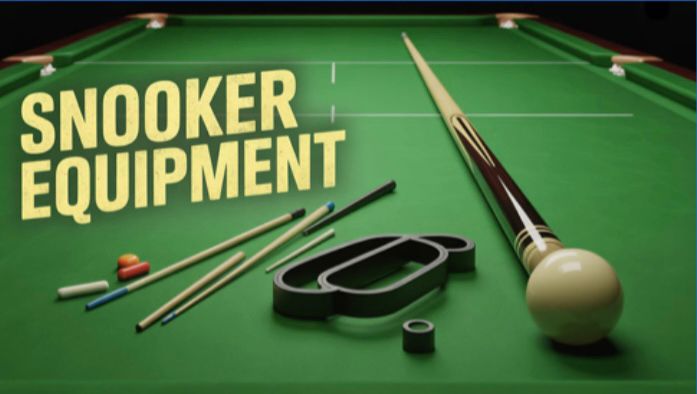
The equipment used by snooker players may seem simple at first glance, with 2 elements being a cue and a table. And speaking about snooker players, by visiting 1XBET punters can also make bets on the best of them too.
However, the reality is that each component is highly specialized. The right gear can significantly influence 3 aspects, especially at the professional level:
The cue is the most personal piece of equipment for a snooker player, on which you can also bet by going to 1xBet too.
Modern cues are typically made from ash or maple and are crafted to have 3 features: being straight, balanced and responsive.
The cue consists of several parts: the tip, usually made of leather and available in different hardness levels.
There is also the ferrule, a small ring that supports the tip and absorbs impact, and the shaft, which is tapered for 2 things: control and consistency.
Regulating the table
A regulation snooker table is larger than a pool table, measuring 12 feet by 6 feet (3.6 by 1.8 meters). While waiting for snooker games, there is also a plinko money game that can be tried at the 1xBet platform too.
It features a slate bed, a heavy, flat stone base that provides a perfectly even playing surface, and a cloth usually made of worsted wool, tightly stretched to ensure smooth ball roll. The pockets are smaller and more rounded than pool pockets, requiring greater precision. And the most accurate snooker players are featured at 1xBet, which also offers a great money game of plinko to try out.
The quality of the table is critical; even minor imperfections in the slate or cloth can significantly affect shot outcomes.
Aspects related to the balls
Snooker balls are smaller and harder than pool balls, typically made from phenolic resin. A standard set includes 15 red balls, 6 colored balls (yellow, green, brown, blue, pink, black), and 1 white cue ball. The balls must be uniform in size and weight to ensure predictable play. When you complete 1xBet Zambia registration, it will also become possible to bet on what happens with the snooker balls too.
For long shots where the player cannot comfortably reach the cue ball, players use a rest. This is a long stick with a support head that stabilizes the cue. Some players also use an extension attached to the cue butt for extra length. Many players wear a glove on their bridge hand to reduce friction and ensure a smooth stroke, and chalk holders and cue cases are common accessories for convenience and protection. Another good reason to complete the 1xBet Zambia registration is to bet on the best players from the snooker world too.